


Working Principle
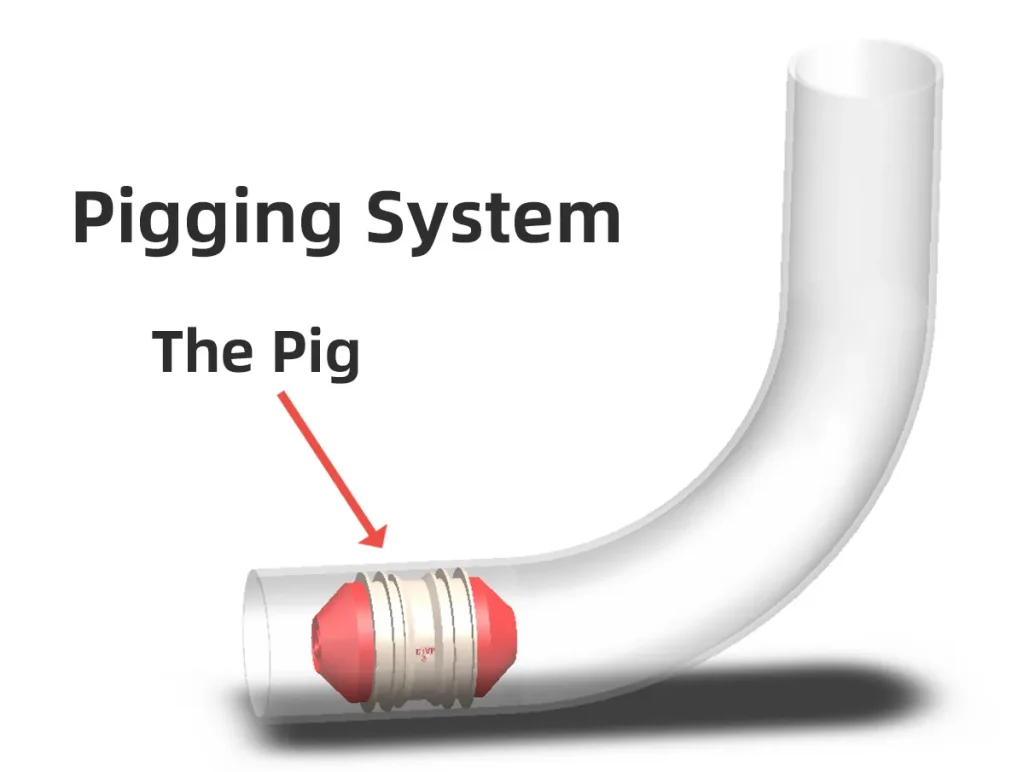
The system works with an elastic object called a pig (often referred to as a “pig” or “pig ball”), which is slightly larger than the inner diameter of the pipeline. Under the propulsion of compressed air, water, or other media, the pig moves through the pipeline like a piston, scraping out the remaining product and recovering it while cleaning the pipe wall. The driving medium can be compressed air, water, or the product being transported, depending on the application needs.
Main Components
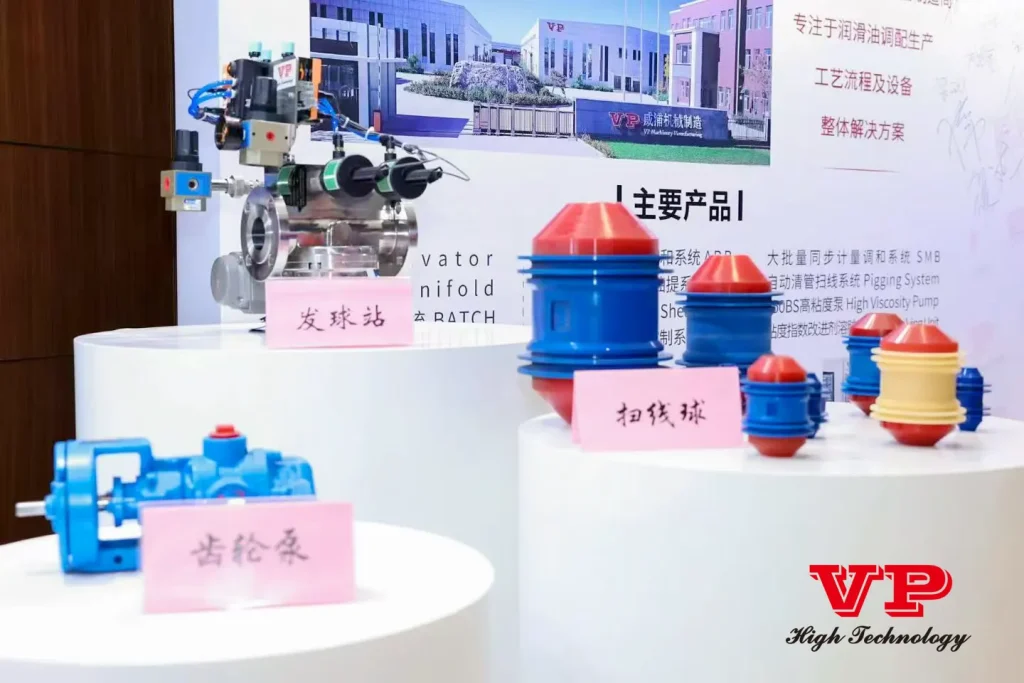
A standard pigging system generally consists of three core components:
- Launch Station: The device used to safely insert the pig into the pipeline.
- Receiver Station: Located at the end of the pipeline, it receives and stops the pig.
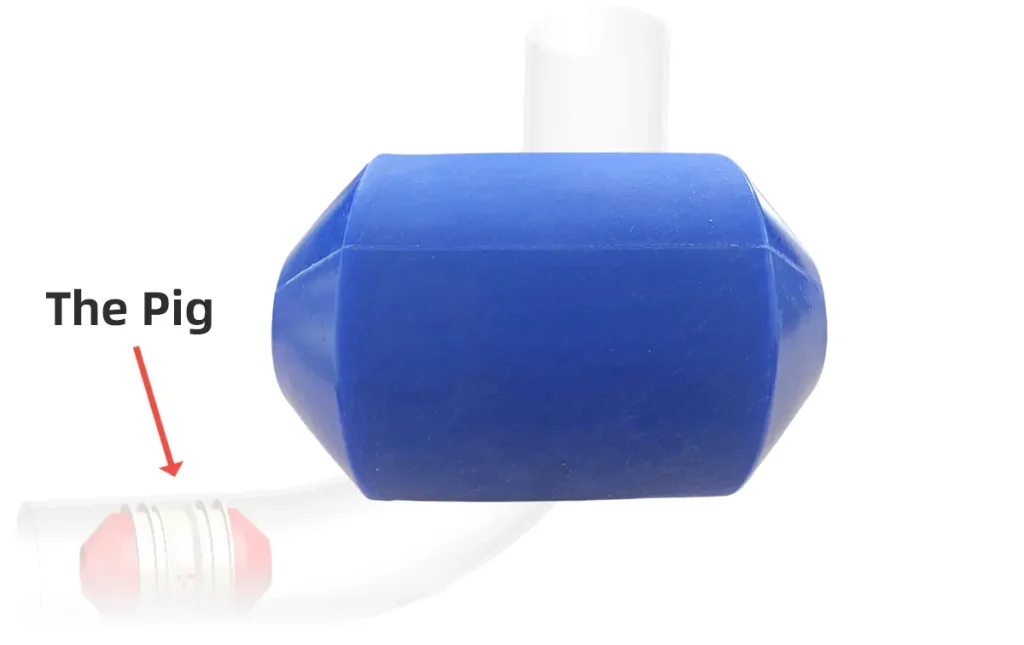
- Pig: The core component performing the cleaning and recovery task inside the pipeline, usually made of durable, corrosion-resistant elastic materials.
Main Advantages
The application of the pigging system offers significant economic and environmental benefits for enterprises:
- Save Product: Recover up to 99.9% of residual product in pipelines, significantly increasing yield and profit.
- Reduce Cleaning Time & Cost: Compared to traditional CIP cleaning, pigging reduces cleaning time from hours to minutes while lowering water and chemical usage.
- Prevent Cross-Contamination: Ensure complete pipeline cleaning between batches, maintaining consistent product quality.
- Improve Efficiency: Enable multi-product transfer in a single pipeline without dismantling, supporting fast batch changeovers.
- Environmental Benefits: Minimize wastewater discharge and reduce chemical usage, lowering environmental impact.
- Pipeline Maintenance: Remove deposits and enable pipeline inspection with intelligent pigs equipped with sensors.
Application Fields
The pigging recovery system is widely applied in industries that transport liquids, pastes, and slurries through pipelines. It achieves efficient product recovery, reduces residue and cross-contamination, and supports online cleaning. Main application fields include:
- Petrochemicals: Oil, lubricants, high-value additives, etc., for product recovery and cleaning in pipelines.
- Food and Beverages: Milk, dairy products, juices, sauces, chocolate, syrups, hotpot base, etc., requiring sanitary and sterile design, supporting CIP/SIP online cleaning.
- Personal Care: Shampoos, body washes, cosmetic emulsions, detergents, laundry liquids, etc., requiring low residue, no cross-contamination, and high-purity material transport.
- Paints and Coatings: Various paints, resins, pigments, inks, etc., for product recovery, reducing solvent cleaning, and preventing color contamination.
- New Energy: Lithium battery positive and negative slurry, requiring precise transfer, low shear, no metal contamination, no residue, and stable processes.
- Pharmaceutical Industry: Medicinal liquids, creams, intermediates, etc., meeting GMP standards, supporting sterile-level, verifiable cleaning, and in-situ sterilization.
System Types
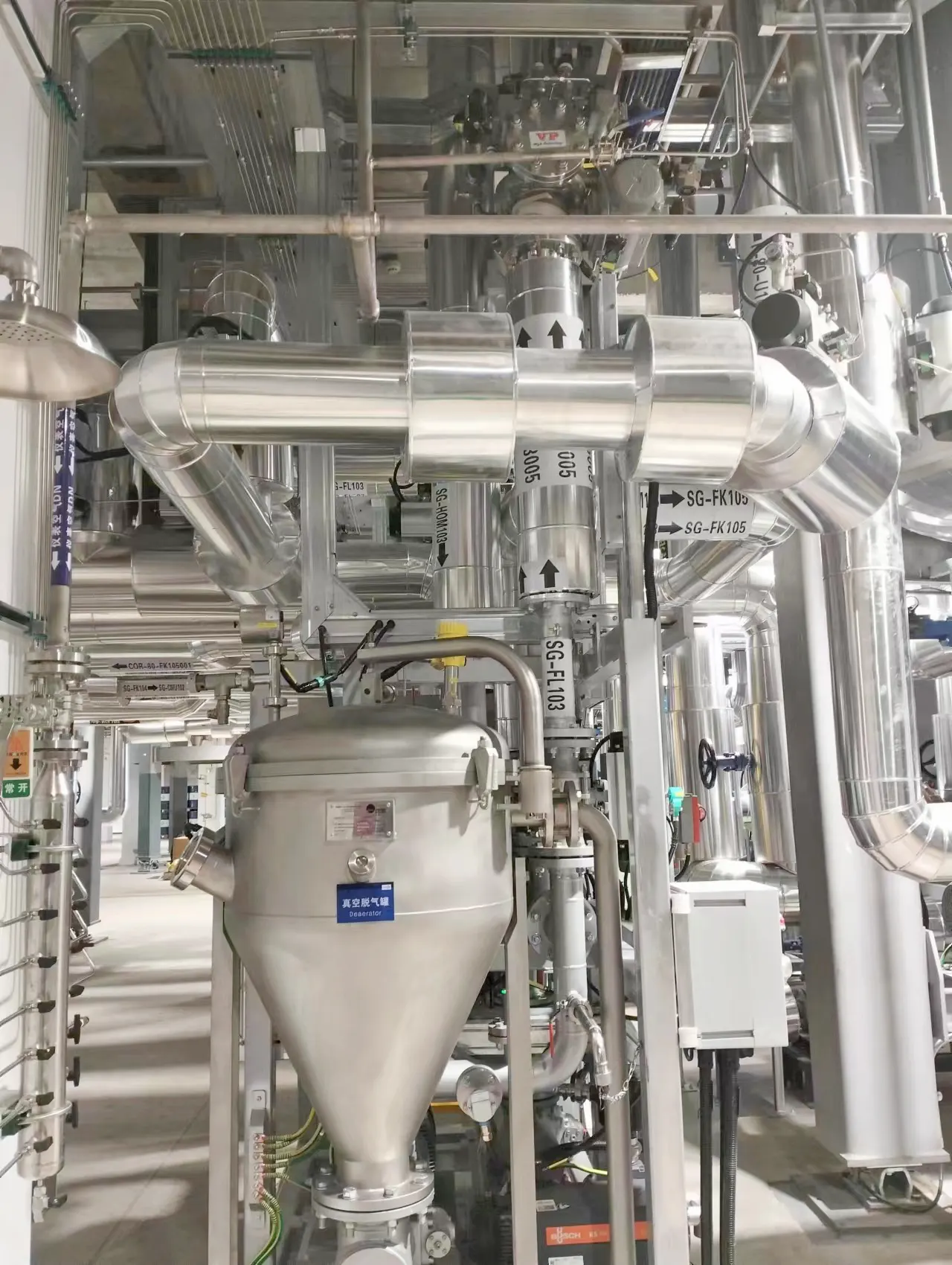
Pigging systems can be categorized based on different application requirements and automation levels:
By Sanitary Level:
- Economy/Manual Type: Suitable for industries such as petroleum, chemicals, and paints with lower sanitary requirements, at a lower cost.
- Sanitary/Automatic Type: Suitable for industries such as food, beverages, and personal care, with CIP (in-place cleaning) functionality.
- Sterile Type: Suitable for industries such as pharmaceuticals and biotechnology with high sterile environment requirements, with CIP and SIP (in-place sterilization) functionality.
By Control Method:
- Fully Automated System: Controlled by PLC and touchscreen, high automation, saves labor, and enhances efficiency.
- Semi-Automatic/Manual System: Relies on manual operation, suitable for production environments with low cleaning frequency, practical and cost-effective.
Conclusion
In conclusion, the pigging system is an efficient and sustainable pipeline management technology, especially suitable for continuous or batch production processes that require frequent product switching or high recovery rates. It not only “cleans” the pipeline but more importantly “recovers value”. It has become an essential solution for improving efficiency and reducing costs in modern factories.
JingSheng Gou
General Manager | Senior Technical Expert | Industrial Automation Specialist. Graduated from USTB, I served as an executive & technical expert at Beijing Shougang Electronics before becoming General Manager of BJVP Machinery in 1996. My expertise covers industrial automation and custom solutions including automated lubricant systems, pipeline pigging/launching, process control, precision weighing, and pump automation.
Articles Related
-

2025 China International Coatings Exhibition, Invitation from BJVP(Nov 25–27)
Dear Customers and Partners, Greetings! We sincerely invite you to visit the 2025 China International...
-
Sanitary Integrated Pigging Pig for Various Sanitary Pipeline Cleaning
Pigging Pig is a key component in pipeline cleaning systems, used for cleaning and recovering residua...
-
Paint and Coating Pipeline Residue and Color Contamination? VP Pigging System with Nearly 100% Cleaning Efficiency
A Pigging System is a technology that uses a specialized elastic scraper called a “Pig” t...
Read More
Pigging
System
Solutions
We are a manufacturing solution,
with more than 30 years
of experience in
Pipeline Pigging Solutions.